
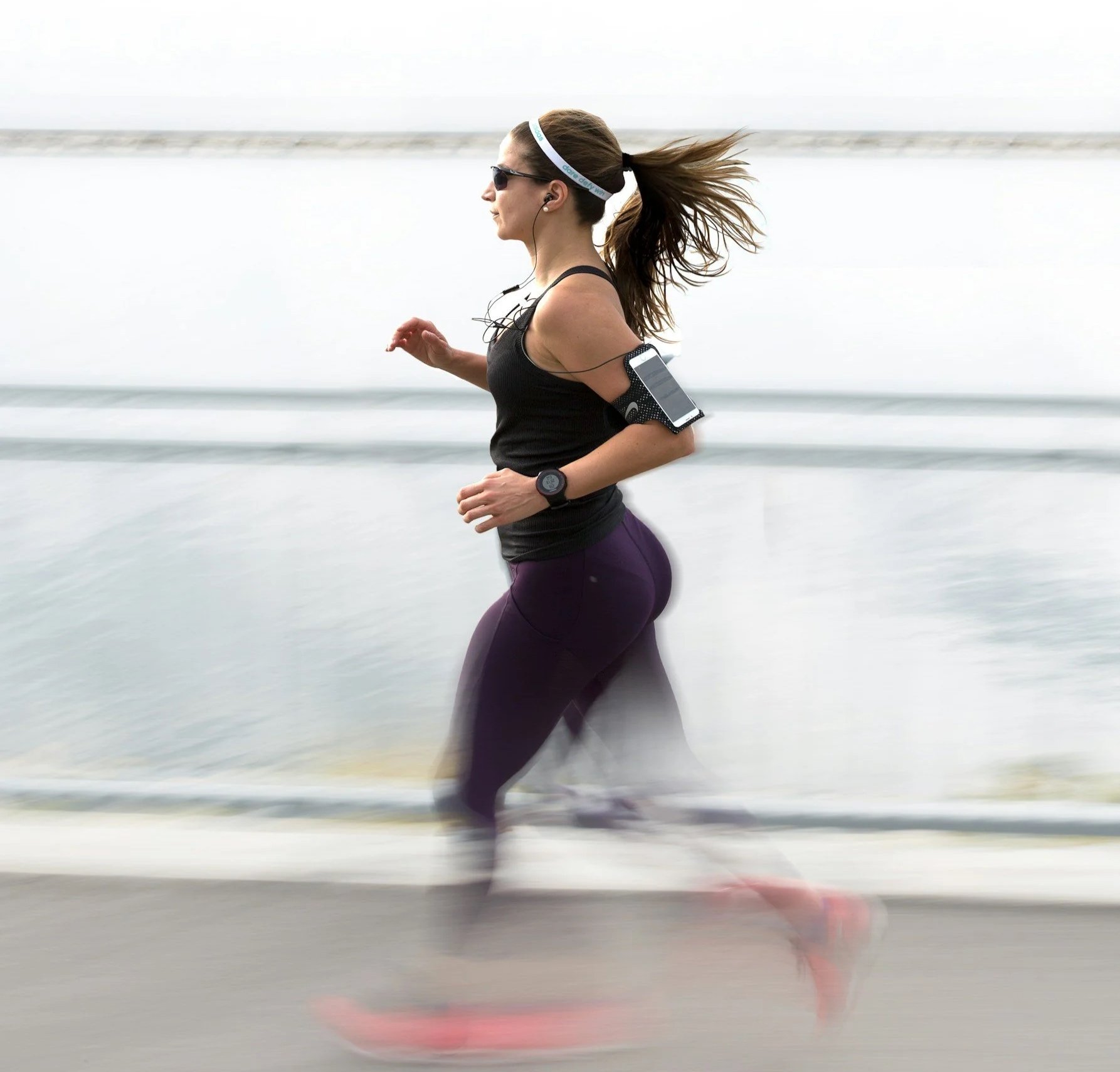
Pelvic Floor Physical Therapy for Return to Running
Returning to running or high-impact exercise after pregnancy—or with pelvic floor symptoms—can feel confusing. Pelvic floor physical therapy helps you rebuild strength, coordination, and confidence so you can return safely.
Is this you?
You might be ready to return to running, but:
Leak urine with running, jumping, or impact
Feel pelvic pressure or heaviness
Notice doming or core instability during workouts
Experience pain during or after exercise
Feel unsure how to progress safely after pregnancy
If any of this sounds familiar, pelvic floor physical therapy may help.
Why returning to running can be challenging
Running places significant demands on the pelvic floor, core, and hips. After pregnancy, birth, injury, or periods of reduced activity, the system may not yet be coordinating efficiently to manage impact and pressure.
This doesn’t mean you “can’t” run—it means your body may need progressive retraining to support impact confidently.
Pelvic floor physical therapy focuses on preparing your body for running—not holding you back from it.
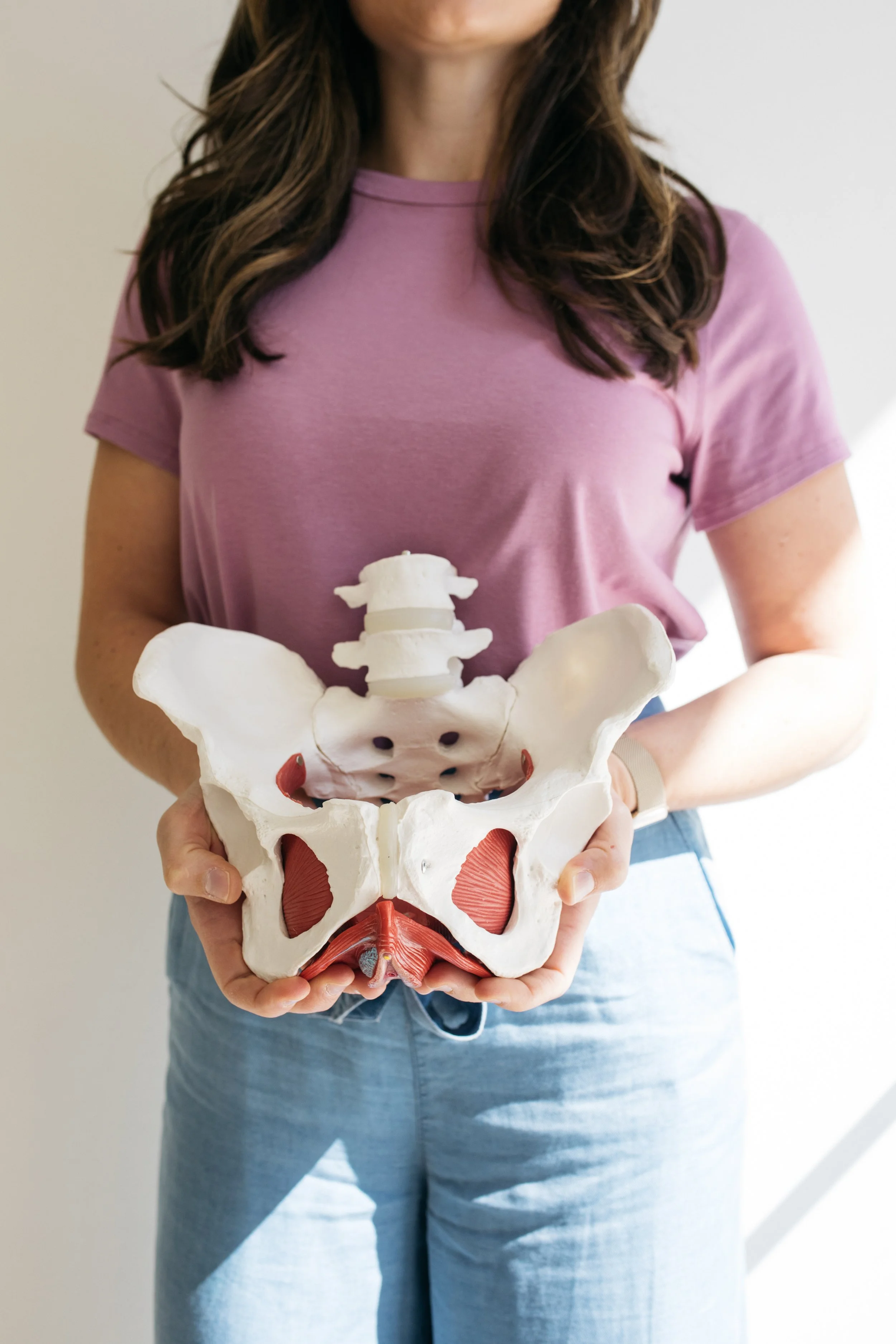
How pelvic floor physical therapy helps
Pelvic floor PT for return to running may include:
One-on-one assessment of pelvic floor, core, hips, and running mechanics
Education on pressure management and impact tolerance
Progressive strengthening and plyometric preparation
Guidance on pacing, volume, and return-to-run progressions
Strategies to address symptoms like leakage, pressure, or pain
Care is individualized and aligned with your goals—whether that’s a jog, a race, or recreational fitness.
What care looks like at Revelle
Private, 1:1 sessions with a pelvic floor physical therapist
A supportive, movement-friendly approach
Personalized plans that adapt as your strength and confidence grow
Manual therapy-based treatment sessions
Internal exams are never required and are only performed with your consent if relevant.
Common questions
Do I need to wait a certain amount of time postpartum before running?
Not necessarily. Readiness is based on strength, coordination, and symptom response—not just weeks postpartum. For more guidance on safely returning to running after pregnancy, see our Postpartum Return to Running Guidelines.
Can pelvic floor PT help if I’ve already tried running and had symptoms?
Yes. PT helps identify what your body needs to tolerate impact more comfortably.
What if I don’t want to run—but do other high-impact workouts?
The same principles apply. Pelvic floor PT supports jumping, lifting, and high-intensity exercise too.
Ready to take the next step?
Revelle Physical Therapy offers pelvic floor physical therapy for women at our clinics in Atlanta (including Alpharetta & Chamblee) and Denver.