
R E V E L L E B L O G
Welcome to our blog — your trusted resource for pelvic floor physical therapy, postpartum recovery, pregnancy wellness, and women’s health. Whether you’re navigating your first months after birth, preparing for a return to running, or seeking answers about pelvic pain, our team of pelvic health PTs shares evidence-based guidance and real-world tips to help you thrive.
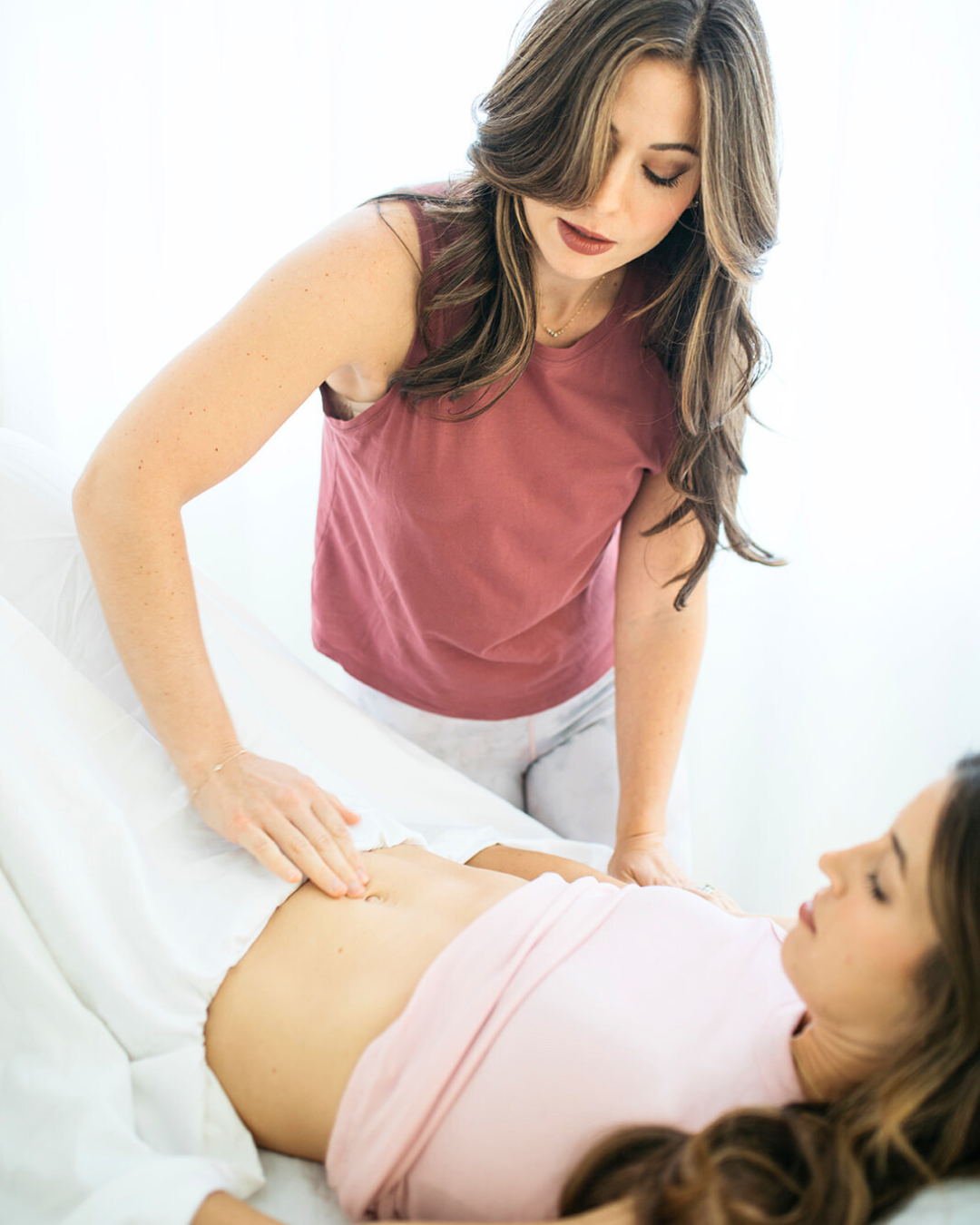
Your First Pelvic Floor PT Visit: What to Expect (Including the Internal Exam)
Curious what actually happens in pelvic floor physical therapy? Here’s a step-by-step walkthrough—plus what to expect during pregnancy-specific pelvic floor PT with Revelle.

Painful Sex Isn’t “Normal”: What Causes It, What Helps, & When Pelvic Floor PT Is the Next Step
Painful sex (dyspareunia) can stem from pelvic floor muscle tension, tissue sensitivity, dryness, postpartum changes, and more. This guide breaks down causes, practical relief strategies, and how pelvic floor physical therapy can help.
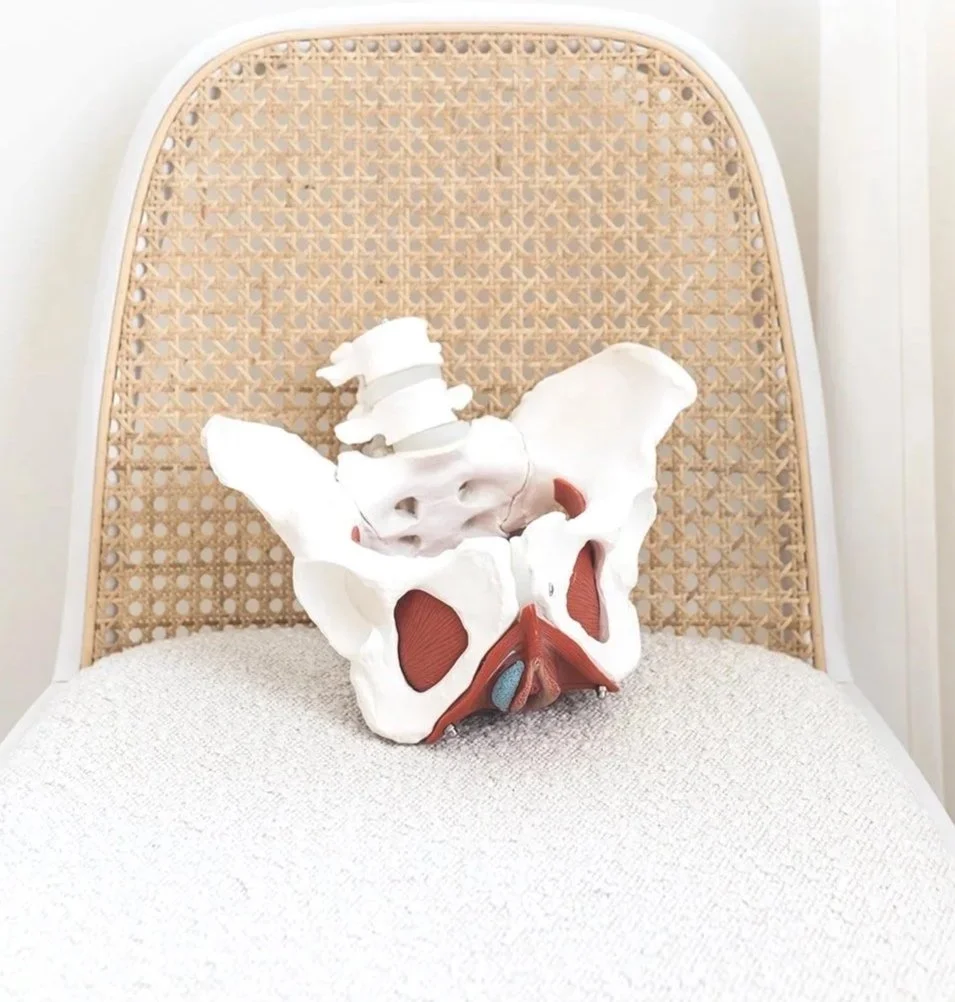
Tight vs Weak Pelvic Floor: How to Tell + When Kegels Help (and When They Hurt)
If you’ve been told to “just do Kegels,” you’re not alone—but pelvic floor symptoms don’t always mean you need strengthening. Learn the signs of a tight vs weak pelvic floor, why Kegels can help (or hurt), and what to do when you’re not sure.
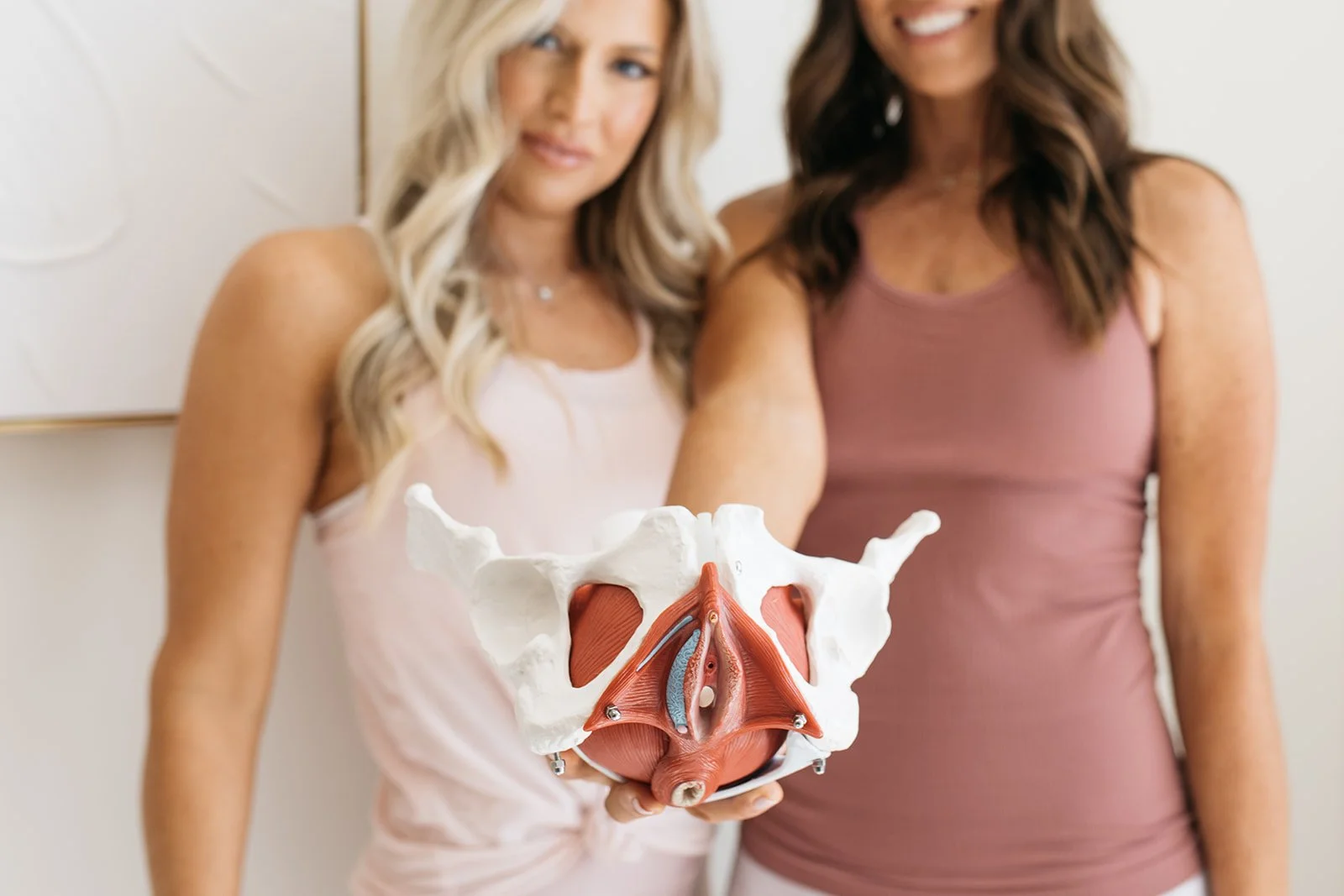
What Is the Pelvic Floor- And Why It Matters More Than You Think
Most women don’t learn about the pelvic floor until something feels off—especially during pregnancy or postpartum. Here’s what it is, what it does, and 10 signs it may need support.
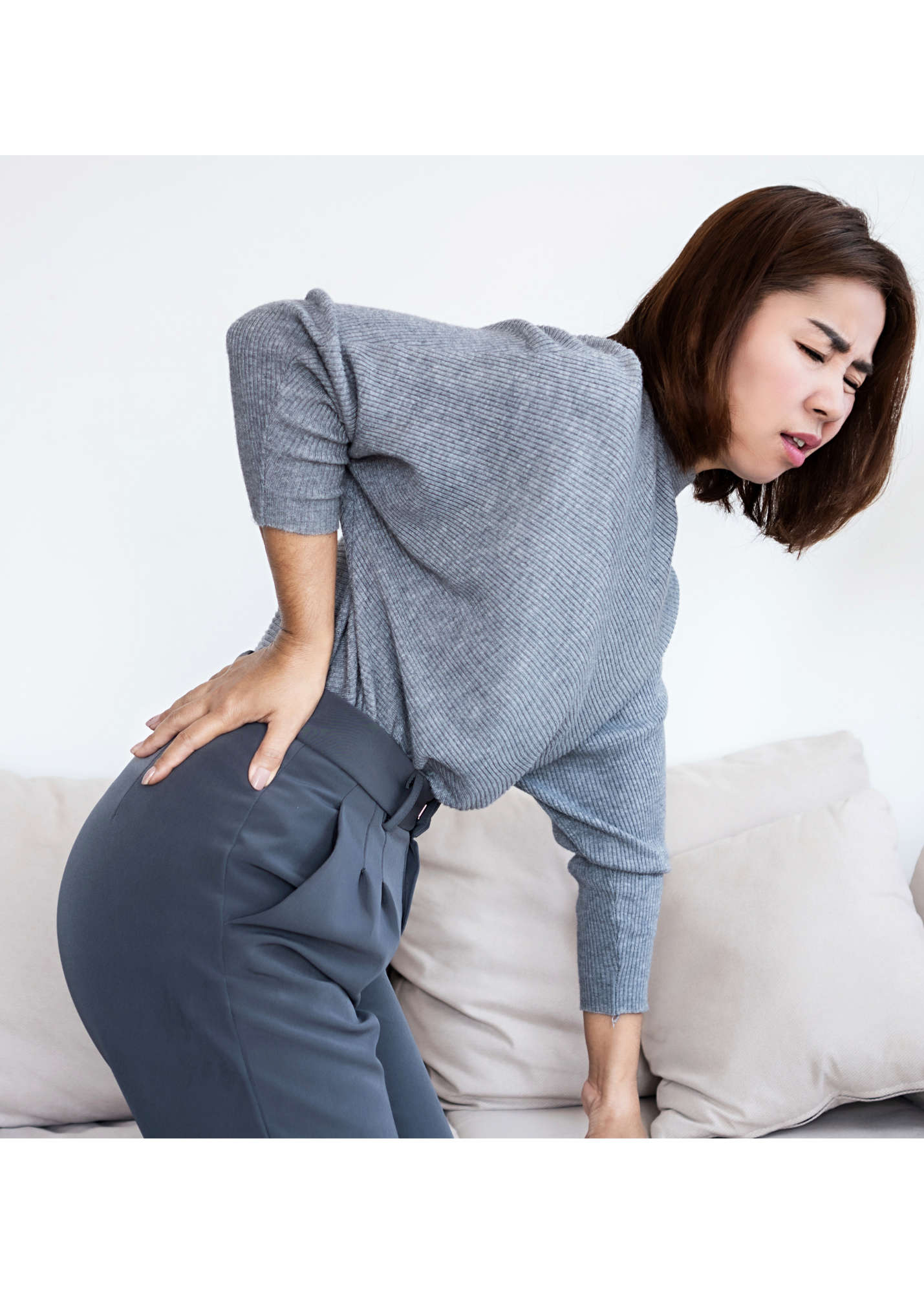
Interstitial Cystitis, Bladder Pain, and Lower Back Pain: How Your Pelvic Floor Is Involved
If interstitial cystitis flares, bladder pain, and lower back ache are cramping your holiday season, you’re not imagining it. This post explains how interstitial cystitis, your pelvic floor, and back pain fit together—and what pelvic floor PT can do to support you.
Perimenopause Urinary Leakage: Why It Happens (and What Helps)
Urinary leakage during perimenopause is common—but it’s not something you just have to live with. We break down why leaks happen (hormones, tissue support, pressure + coordination), how to tell stress vs urge incontinence, and practical steps that help—plus how pelvic floor PT personalizes the plan.

Common Causes of Pelvic Pain in Women — and When to Seek Pelvic Floor PT
Common causes of pelvic pain in women—endometriosis, pelvic floor dysfunction, bladder pain, postpartum changes—and how pelvic floor PT helps. Includes when to seek a physician first.

When Can I Start Running Postpartum?
Returning to running after having a baby isn’t about waiting six weeks—it’s about knowing your body is ready. Learn why a pelvic floor exam is essential, the real 3–6 month return-to-run timeline, and what lessons we can take from the NWSL’s Houston Dash.

Back-to-School Burnout in Moms: Reset Your Body with Pelvic Floor Therapy
Feeling drained after a busy summer? Back-to-school season is the perfect time for moms to reconnect with their bodies. Discover 3 simple ways to reset—and how pelvic floor physical therapy can help you feel like yourself again.

Understanding Interstitial Cystitis
What is Interstitial Cystitis and how do I know if I have it? What are the common symptoms to look out for? What are my treatment options and how can pelvic floor physical therapy help? We answer all these questions in this blog post!

Endometriosis and Pelvic Floor Physical Therapy: A Comprehensive Guide for Women
Endometriosis pain is real—and it can affect daily life, sex, exercise, and even using the bathroom. This guide explains endometriosis symptoms, why pelvic floor muscles often become overactive, and how pelvic floor PT can help you feel more comfortable and in control.

Pelvic Organ Prolapse Symptoms: What Vaginal Pressure/Heaviness Means + What Helps
Heaviness in the vagina? Pressure? Feel like things aren’t where they used to be? Don’t worry girl, we got you. You may be experiencing what we call prolapse. Prolapse is vaginal wall laxity meaning the tissues of your vagina don’t have the same tension they once did. This allows for the pelvic organs to press into the vaginal canal causing these sensations

Diastasis Recti: Do I Have It? (Signs + Self-Test)
Not sure if you have diastasis recti? Learn the most common signs (like doming/coning) and how to check at home with a simple finger test—plus what to do next for postpartum recovery.

3 Ways To Help Fight Urinary Leakage
Are you suffering from urinary leakage?
YOU ARE NOT ALONE. Did you know 50% of women will experience some form of urinary leakage in their lifetime1. Two major reasons why we may leak urine is pregnancy and childbirth! Our pelvic floor muscles are crucial for keeping continence and not having any leakage.

What Is Pelvic Floor Physical Therapy? A Complete Guide for Women’s Health
What is Pelvic Floor Physical Therapy?
Pelvic Floor?!?!? How could my vagina need physical therapy? I just don’t understand how you’re going to help me.
This is what so many patients first say to me when they are referred for Pelvic PT. My patients have usually been living with their pelvic issues for so long that they think nothing can help. It’s our goal at Revelle to prove that wrong.