
Your First Pelvic Floor PT Visit: What to Expect (Including the Internal Exam)
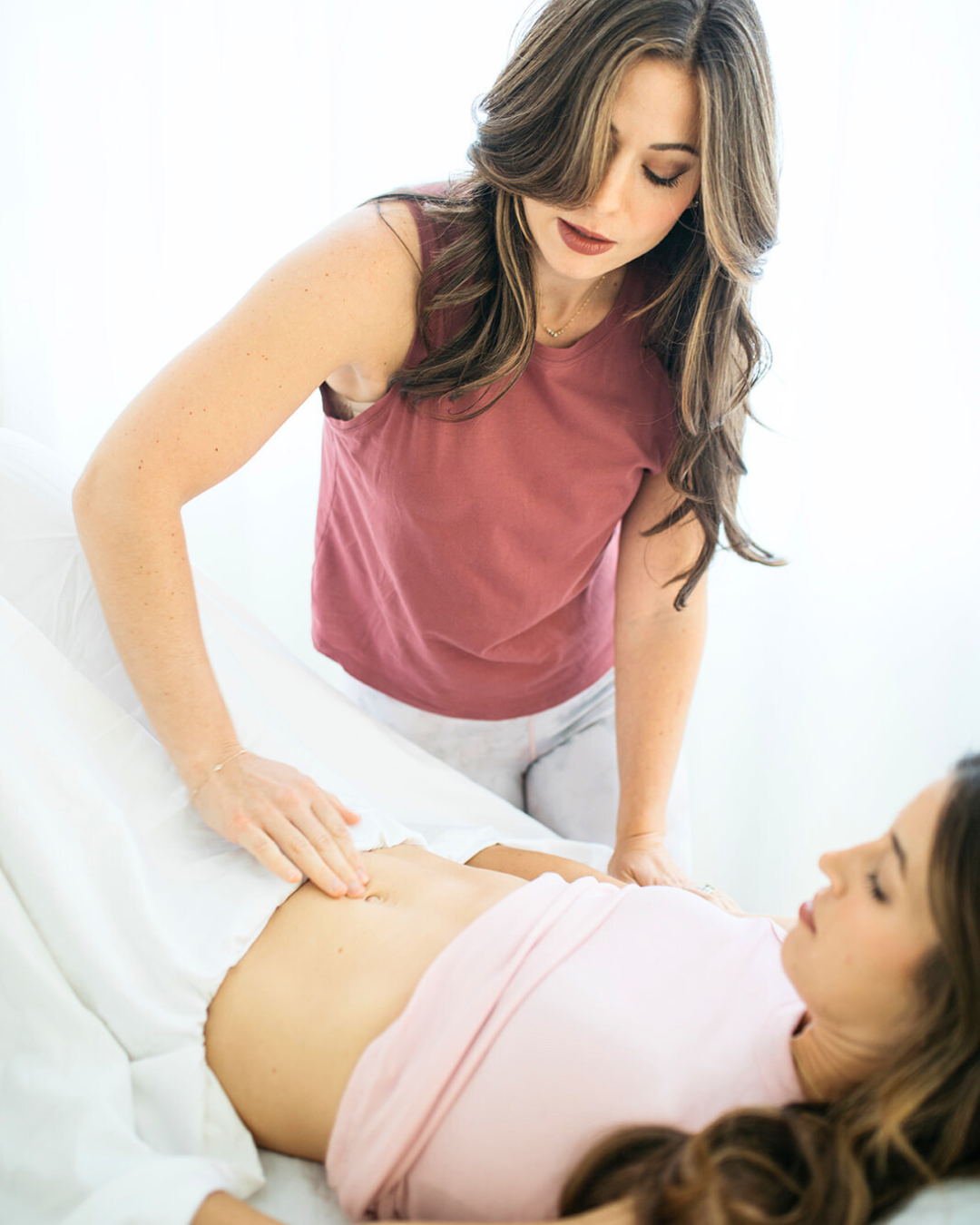
If you’ve been thinking about pelvic floor physical therapy but feel a little nervous (or just unsure what you’re walking into), you’re not alone. “What happens at the first visit?” is one of the most common questions we get—because pelvic floor PT can feel mysterious if you’ve never done it before.
So let’s take the mystery out of it.
In this post, we’ll walk through exactly what to expect at your first pelvic floor PT appointment, what we assess (and what we don’t do without your consent), how to prepare, and how your plan is created—so you can show up feeling confident and in control. Quick reassurance: Pelvic floor PT is not “one-size-fits-all,” and it’s never something that’s done to you. It’s collaborative, consent-based, and tailored to your goals.
Jump to:
Pelvic floor PT shouldn’t feel intimidating. We created this guide to take the mystery out of your first visit—what we assess, what’s optional, and how we make the experience calm, private, and comfortable from start to finish. Not sure where to start? Book a free phone consult we’ll help you choose the right appointment type so you feel confident booking.
What is pelvic floor physical therapy?
Pelvic floor physical therapy focuses on the muscles, connective tissue, and coordination of your pelvic region—especially how they work with your breathing, core, hips, and posture.
People come to pelvic floor PT for things like:
Pelvic pressure or prolapse symptoms
Pain with sex, tampon use, or pelvic exams
Pregnancy aches/pains + birth preparation
Postpartum recovery (tearing, C-section recovery, core rehab, return to exercise)
Chronic constipation or difficulty emptying
Tailbone, hip, or low back pain that won’t go away
At Revelle Physical Therapy, we start by understanding your symptoms, your history, and what you want to be able to do again—then we build a plan around that.
Want a deeper dive into pelvic floor anatomy, common symptoms, and how pelvic floor PT works? Read our full guide here.
Before you arrive: what to wear + how to prepare
What to wear: Anything comfortable that you can move in. Think leggings, joggers, or athletic shorts.
Do you need to “prep” down there? Nope. No shaving, no special hygiene routines, no pressure.
Should you come with a full bladder? Not necessary, but if leaking or urgency is a concern, it can be helpful to notice what triggers symptoms.
Paperwork: You’ll typically complete intake forms ahead of time so your visit can focus on you—not a clipboard.
Step-by-step: what happens at the first pelvic floor PT visit?
While every visit is personalized, most first appointments follow a similar flow.

1) A real conversation (your story matters)
We’ll start with questions like:
What brings you in now?
What symptoms are you noticing—and when?
What have you tried so far?
What are your goals? (Run without leaking? Comfortable sex? Confident birth prep? Lift without pressure?)
We’ll also review relevant history (pregnancy/delivery history, surgeries, bowel/bladder habits, pain patterns, training habits, stress, sleep—because it all connects).
2) Education (you’ll understand what’s going on)
We’ll explain what we think may be happening and why—using clear, non-weird language. Many people feel immediate relief just understanding things like:
The pelvic floor can be too tense or under-coordinated (and both can cause symptoms)
Kegels aren’t always the answer
Breathing mechanics and rib mobility affect pelvic pressure (and leaking)

3) A movement + strength screen (fully clothed)
This often includes a mix of:
Posture + alignment
Breathing mechanics (diaphragm + rib movement)
Core coordination (deep core vs “bracing”)
Hip strength and mobility
Squat/hinge mechanics
Balance, gait, or sport-specific movement (if relevant)
4) Pelvic floor assessment (optional + consent-based)
Depending on your symptoms and comfort level, we may recommend a pelvic floor muscle assessment.
This may involve:
External assessment (hips, glutes, abdomen, lower back, pelvic landmarks)
Internal pelvic floor exam (vaginal and/or rectal) only if appropriate and only with your consent
Important: An internal exam is never required at the first visit. And if you choose to do it, you can stop at any point. You’re in control the entire time.
If performed, an internal exam helps us assess:
Muscle tone (tightness vs laxity)
Coordination (can the muscles relax, lengthen, and contract effectively?)
Strength/endurance
Tender points and pain drivers
Breathing + pelvic floor timing
At Revelle, we’ve designed our clinic to feel beautiful, calming, and more like a spa than a medical office—private, warm, and intentionally not clinical. If an internal exam is appropriate and you choose to proceed, you’ll be on a warmed massage table with clean sheets, and you’ll be fully draped with a sheet the entire time for comfort and privacy. Many women expect the “cold room + paper sheet + stirrups” experience from an OBGYN visit—this is different: it’s respectful, unhurried, and always guided by your consent.
5) You’ll leave with a plan (not just “do kegels”)
Before you leave, you’ll have:
A clear understanding of what’s contributing to your symptoms
A targeted home plan (usually 2–4 exercises to start—simple, doable)
A recommended visit cadence (for example: weekly to start, then spacing out)
Next steps that match your goals (return to running, pregnancy prep, postpartum rebuild, etc.)

“Do I have to do an internal exam?”
No.
Pelvic floor PT can still be highly effective using:
breathing + pressure management
hip/core assessment
external pelvic floor strategies
guided movement retraining
symptom-specific education and progression
That said, when appropriate, an internal assessment can provide helpful information—especially for persistent leaking, pelvic pain, prolapse symptoms, or postpartum concerns. We’ll always explain why we’re recommending it and what you’ll gain from it.
How long is the first visit?
Our pelvic floor PT evaluations are longer than a standard appointment because we want to understand the whole picture and want to ensure we have time to start treatment. We block off 75 minutes for this initial visit.
Pregnancy Pelvic Floor PT: How it’s different (and what we do at Revelle)
Pregnancy pelvic floor PT is not just “treating pain.” It’s also a chance to build skills that can support:
a more confident labor experience
better pelvic floor coordination (including relaxation)
smarter pressure management as baby grows
postpartum recovery that feels less overwhelming
Many women (and even some practitioners) assume it’s best to “just wait” until after baby arrives to start pelvic floor PT—but that’s not the approach we take. We’re passionate about supporting women during pregnancy so they can prepare their body and understand what’s happening in labor and birth. Doing the work before delivery helps set you up to prevent many common postpartum issues, and it can also improve your chances of minimizing perineal trauma during a vaginal birth.
At Revelle, we follow a structured, skill-building approach we call The Revelle Birth Prep Method—because birth preparation is a process, not a single appointment.
The Revelle Birth Prep Method (timeline)
Here’s the general flow (we tailor it to your body, your symptoms, and your birth preferences):
20 weeks (give or take): Foundation + evaluation
A thorough evaluation of your body’s changes in pregnancy—laying the groundwork for a personalized birth-prep plan and confident labor.
What this often includes:
breathing + rib mobility (pressure management)
core and pelvic floor coordination (not just strength)
hip mobility/strength for support and comfort
strategies for common symptoms (pain, pressure, leaking, constipation)
24–34 weeks: Build skills + coordination
We build on your foundation by practicing core and pelvic floor coordination and progressing essential skills for birth prep.
What this often includes:
targeted strength + mobility based on your patterns
pelvic floor relaxation and lengthening strategies
positioning concepts for comfort + pelvic pressure support
functional prep for daily life and exercise
34 weeks: Guided introduction to perineal prep
Guided introduction to perineal prep using the wand, progressing foundational skills and preparing for bear down and labor positioning. (Always optional, always consent-based, and done in a way that feels empowering—not scary.)
35 weeks: Progress perineal prep + key labor postures
Progress perineal prep through multiple positions while practicing key labor postures—reinforcing pelvic floor control and preparing for effective pushing.
36 weeks: Advance flexibility + guided pushing practice
Advance perineal prep to enhance pelvic floor flexibility and begin guided pushing practice to find the most effective position, breath, and technique.
37–40 weeks: Refine + review
Continue perineal prep and pushing practice in-office, mastering positions and reviewing essential labor and postpartum education for a confident, informed birth.
When should you start pregnancy pelvic floor PT?
Many people benefit from starting around 20 weeks, but you can start at any point—especially if you’re dealing with:
pelvic girdle pain / SI pain
pubic symphysis pain
leaking or urgency
constipation
heaviness/pressure symptoms
pain with intimacy
anxiety about pushing or tearing

What if I’m postpartum—do I still come in?
Yes—postpartum pelvic floor PT is one of the best “reset buttons” we have for:
returning to exercise safely
managing pressure/heaviness
rebuilding core coordination
addressing pain (perineal, C-section scar, pelvic pain)
improving leaking or urgency
easing constipation
And no, you don’t need to “wait until things are really bad” to get support.
What results can I expect—and how many visits will I need?
This depends on your symptoms, your history, and your goals, but a typical plan might look like:
2–4 visits for education + symptom relief + a clear plan
6–10 visits for bigger goals like return to running, resolving persistent pain, or comprehensive birth prep/postpartum rebuild
We’ll always talk through the “why” behind our recommendations so it feels transparent.
FAQ
-
In most states, you can start physical therapy without a physician referral (this is called direct access). In Georgia and Colorado, you can begin pelvic floor PT at Revelle without a referral. Georgia does have a few direct-access requirements after a certain number of visits/days, but don’t worry—we’ll handle the details and let you know if anything is needed.
-
Wear anything comfortable you can move in—leggings, joggers, or athletic shorts are perfect. You don’t need to dress up or wear anything special.
-
No. Shaving, waxing, or any special prep is never required. Come as you are.
-
No—an internal exam is never required. We may recommend it depending on your symptoms, but it’s always optional and only done with your consent.
-
Not at all. Pelvic floor PT is done in a private treatment room and moves at your pace. If an internal exam is performed, you’re fully draped for comfort, and you can pause or stop at any time.
-
It shouldn’t. Some areas may be tender—especially if muscles are tight or sensitive—but treatment should feel respectful and manageable. We work within your comfort level and adjust immediately if something doesn’t feel right.
-
You can absolutely still come in. We can tailor the session to what feels best that day (and an internal exam can be postponed if you prefer).
-
It depends on your symptoms, history, and goals. Many people notice changes within a few visits, and we’ll recommend a plan after your evaluation—so you know exactly what you’re working toward.
-
If pelvic pressure/heaviness is part of your symptoms, we can assess pelvic floor function and support needs. We’ll explain what we’re looking for and what it means, and you can always opt out of any portion of the exam.
-
Yes. Pregnancy pelvic floor PT can help with comfort, pressure management, and birth prep. Postpartum pelvic floor PT can help with core and pelvic floor recovery, leaking, pain, and returning to exercise—even if you’ve already been “cleared” at your 6-week visit.