
Pelvic Floor Physical Therapy During Pregnancy: Why Preparing Before Birth Matters
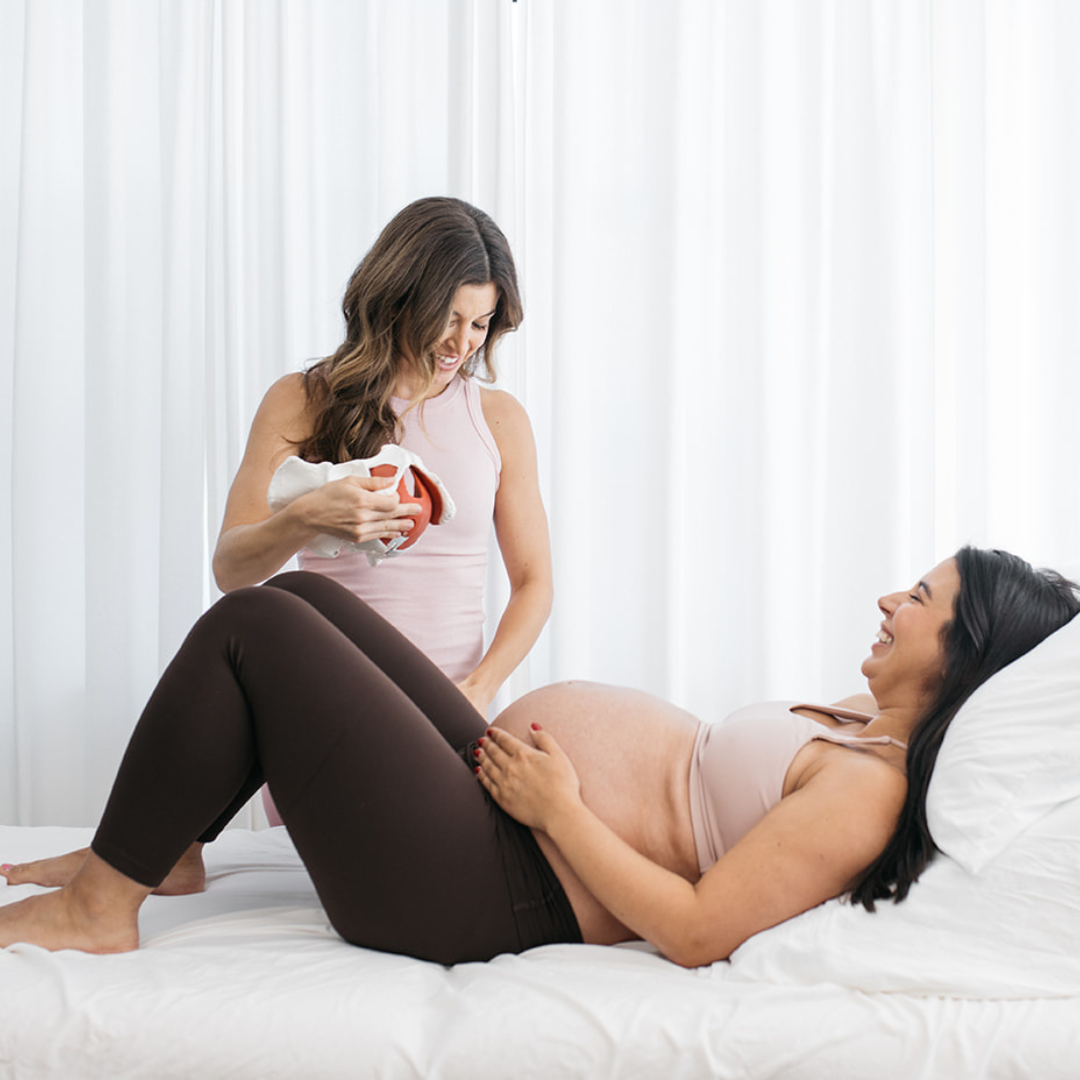
So many women spend pregnancy preparing the nursery, packing the hospital bag, and getting ready for baby — but very few are taught how to prepare their body for birth.
At Revelle, we believe that needs to change.
While pelvic floor physical therapy is often talked about as something to do after delivery, we view it differently. We see pelvic floor physical therapy during pregnancy as a form of preventive care — a way to support the body before labor, delivery, and postpartum recovery begin.
Our goal is not only to help women feel better during pregnancy, but also to help them feel more prepared for what birth and recovery may require.
And the need for support is real. Research shows that pregnancy and postpartum symptoms are incredibly common. A 2023 systematic review and meta-analysis estimated that back pain affects about 40.5% of women during pregnancy. Another 2023 systematic review and meta-analysis found that postpartum urinary incontinence affects about 26% of women. The Royal College of Obstetricians and Gynaecologists also notes that severe perineal tears involving the anal sphincter, often called OASIS, occur in about 6 in 100 first vaginal births and fewer than 2 in 100 subsequent vaginal births.
At Revelle, we believe that if more women had access to pelvic floor PT during pregnancy — not just after birth — many of these issues could potentially be reduced. That is our clinical perspective, not a claim that one single study has proven every outcome. Still, current research does support the broader preventive idea. A 2023 umbrella review found strong evidence that exercise and pelvic floor muscle training during pregnancy can help prevent symptoms of postpartum urinary incontinence, and a Cochrane review found that early, structured pelvic floor muscle training in pregnancy may help reduce urinary incontinence later in pregnancy and after delivery.
Why We Don’t Believe Women Should Wait Until Postpartum
Pregnancy is already asking a lot of the pelvic floor.
Your pelvic floor supports the bladder, bowel, uterus, and core. During pregnancy, it is constantly adapting to increasing pressure, postural changes, hormonal shifts, and the growing demands placed on the body. It also works closely with your diaphragm, deep core, and breathing mechanics.
That means pregnancy is not just a waiting period before the “real” work begins postpartum. It is a time of major physical change — and an important window for preparation.
Too often, women are told to wait and see how they feel after delivery. But by then, the pelvic floor and surrounding tissues have already gone through months of change, followed by labor and birth. At Revelle, we believe women deserve support before that point.Why We View Pelvic Floor PT During Pregnancy as Preventive Care
Why We View Pregnancy Pelvic Floor PT as Preventive Care
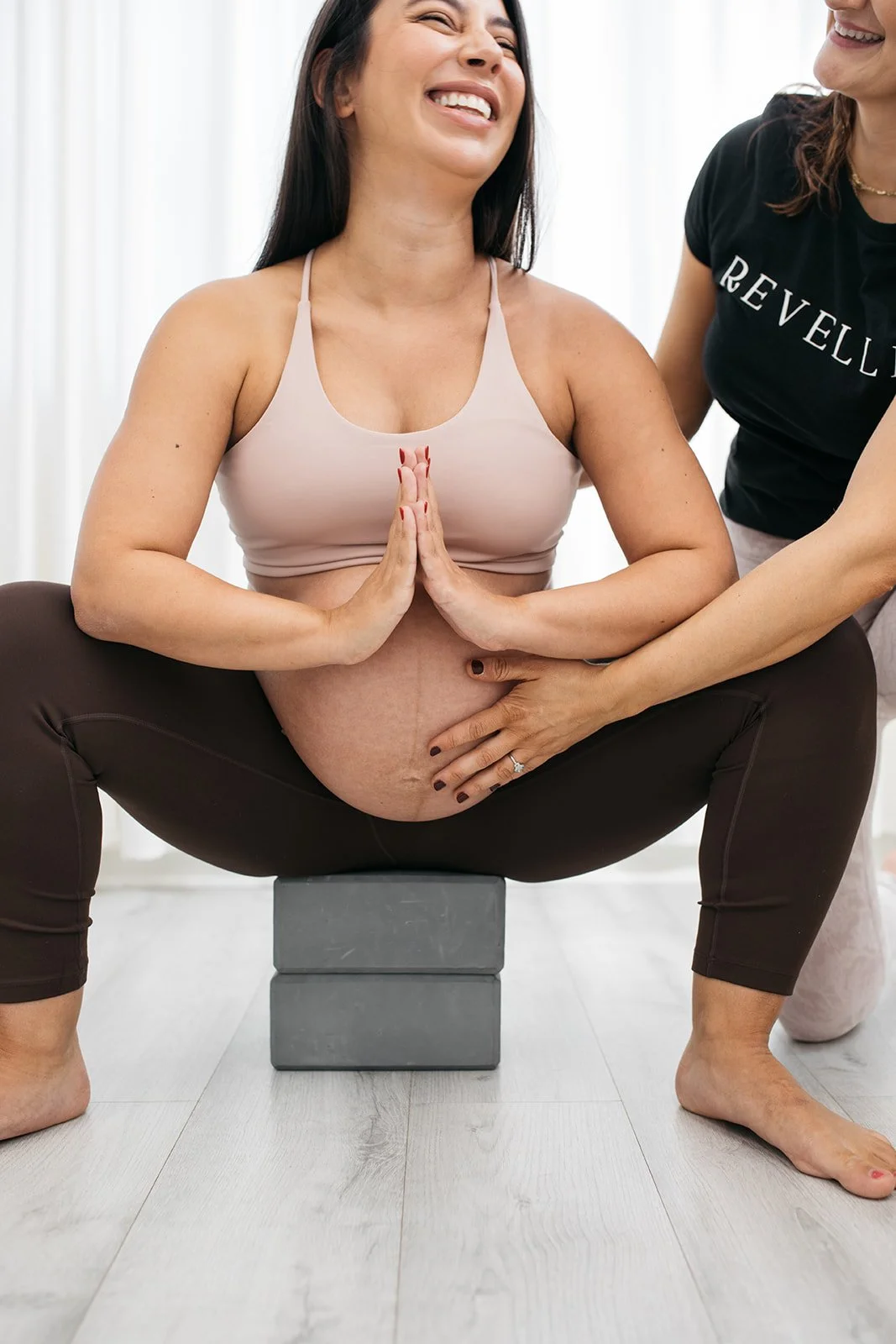
When we talk about pelvic floor PT during pregnancy, we are not just talking about symptom relief.
Yes, pregnancy pelvic floor PT can help with leakage, pelvic pressure, constipation, pelvic pain, and low back discomfort. But our bigger goal is preparation.
We want women to better understand:
how the pelvic floor functions during pregnancy
how to coordinate the pelvic floor with breathing and deep core function
how to manage pressure more effectively
how to improve pelvic mobility and body awareness
how to prepare the pelvic floor and surrounding tissues for labor
how to go into postpartum recovery with a stronger foundation
This is one of the biggest things we wish more women knew: preparing for birth is not just about “strengthening.” In many cases, it is also about awareness, coordination, mobility, and learning how to relax and lengthen the pelvic floor when appropriate.
What Pelvic Floor PT During Pregnancy May Include
At Revelle, pelvic floor physical therapy during pregnancy is always individualized. Depending on the patient, treatment may include:
breathing and pressure management
core and pelvic floor coordination
pelvic mobility and movement strategies
education on relaxing and lengthening the pelvic floor
hands-on preparation of tissues for birth
labor positions and pushing mechanics
education to help you feel more prepared for postpartum recovery
This is why we believe pelvic floor physical therapy before birth matters so much. The goal is not to wait for dysfunction to show up and then react. The goal is to help prepare the body ahead of time and support a smoother labor, delivery, and recovery.
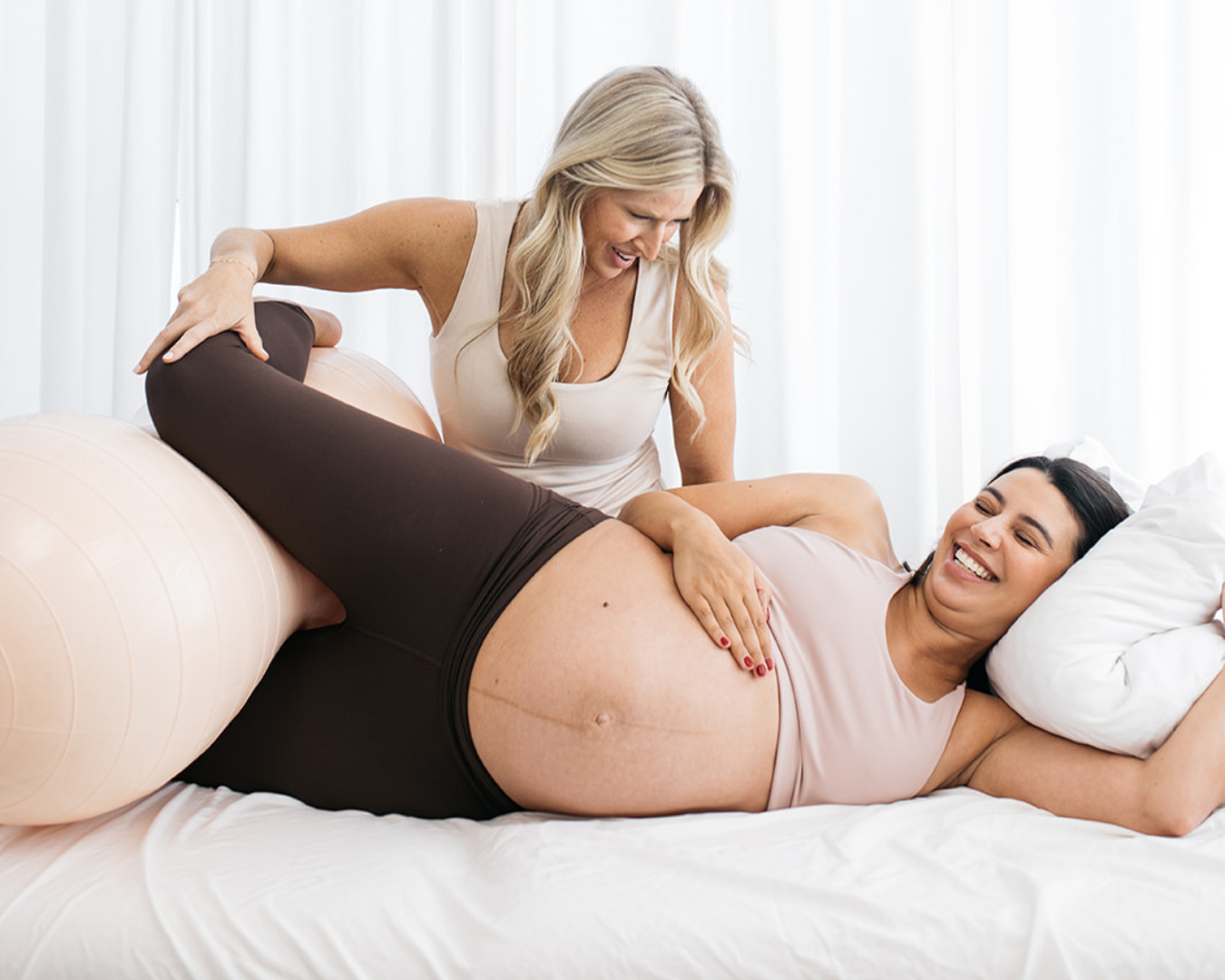
How Childbirth Education Fits In
Physical preparation matters, but education matters too.
Understanding labor, positioning, pushing, and recovery can make birth feel far less intimidating. That is exactly why our online childbirth education course fits so naturally with pelvic floor PT during pregnancy.
At Revelle, we want women to have both:
physical preparation
education that helps them understand what their body is doing
That combination can help women feel more informed, more confident, and more prepared heading into birth.
Pelvic Floor PT During Pregnancy in Atlanta, Alpharetta, and Denver
Revelle offers one-on-one pelvic floor physical therapy for women during pregnancy in Atlanta, Alpharetta, and Denver. Whether you are already dealing with symptoms or simply want a more proactive approach to preparing for labor, our care is designed to support your body before birth — not just after.
Whether you are searching for pelvic floor physical therapy during pregnancy, pelvic floor PT before birth, or help preparing your body for labor, this is exactly the kind of care we provide.
The Bottom Line
At Revelle, we believe pelvic floor physical therapy during pregnancy should be viewed as preventive care — not just postpartum rehab.
We believe women deserve support before delivery, not only after symptoms show up.
And we believe that if more women had access to this kind of care during pregnancy, fewer would feel blindsided by the issues that are so often normalized after birth.
Want a more proactive way to prepare your body for labor, delivery, and recovery?
Schedule a pregnancy pelvic floor PT visit in Atlanta, Alpharetta, or Denver, or explore Revelle’s online childbirth education course.
Frequently Asked Questions About Pelvic Floor PT During Pregnancy
-
Yes — pelvic floor physical therapy during pregnancy is generally safe when provided by a licensed physical therapist trained in pelvic health. Treatment is always individualized based on your symptoms, stage of pregnancy, comfort level, and goals. At Revelle, pregnancy pelvic floor PT may include movement assessment, breathing and pressure strategies, pelvic floor coordination, education, and preparation for labor and postpartum recovery.
-
Many women can benefit from pelvic floor physical therapy during pregnancy even before major symptoms begin. Some start because they are dealing with leakage, pelvic pain, constipation, pressure, or low back pain, while others start because they want to prepare their body for labor and postpartum recovery. At Revelle, we view pelvic floor PT during pregnancy as proactive, preventive care — not just something to consider after birth.
-
Yes — pelvic floor physical therapy can help prepare the body for labor by improving pelvic mobility, breathing mechanics, pressure management, body awareness, and pelvic floor coordination. For some women, that also includes learning how to relax and lengthen the pelvic floor when appropriate, along with education on labor positions, pushing strategies, and recovery after delivery.
-
No. You do not need to be in pain or having obvious symptoms to benefit from pelvic floor PT during pregnancy. Many women come in because they want guidance on how to better support their body before birth, improve core and pelvic floor function, and head into labor and postpartum with a stronger foundation.
-
Yes — Revelle offers one-on-one pelvic floor physical therapy during pregnancy in Atlanta, Alpharetta, and Denver. Whether you are looking for help with pregnancy symptoms or want a more proactive plan to prepare for labor, delivery, and recovery, our care is designed to support you before birth — not just postpartum.