
Painful Sex Isn’t “Normal”: What Causes It, What Helps, & When Pelvic Floor PT Is the Next Step

If sex hurts, you are not alone — but you also don’t have to “just deal with it.” Painful sex is common, often dismissed, and very treatable once you identify what’s driving it.
In pelvic floor physical therapy, we see this every day: people who’ve been told to “drink wine, use lube, and relax”… when what they actually need is a plan that addresses muscles, nerves, tissues, and the way the body is guarding.
This guide will walk you through:
- What painful sex can feel like (and what it may mean)
- The most common causes (including pelvic floor muscle tension)
- What actually helps (beyond “just use more lube”)
- When pelvic floor PT is the next step — and what to expect
Quick reassurance: Pain during sex is never a character flaw, a willpower issue, or “in your head.” It’s a body signal — and signals are worth listening to.
What counts as “painful sex”?
Painful sex is often called dyspareunia, meaning persistent or recurrent pain before, during, or after intercourse. It can show up as:
Pain with penetration (tampons, pelvic exam, fingers, intercourse)
Burning, stinging, rubbing, tearing, or sharp pain at the opening
Deep pain with thrusting or certain positions
Pain after sex (soreness, cramping, pelvic aching)
Fear/tensing because your body anticipates pain (very common)
Clinically, providers may also use the term genito-pelvic pain/penetration disorder (an umbrella that includes dyspareunia + vaginismus-style pelvic floor guarding).
Why painful sex happens (the big picture)
Painful sex is usually multifactorial — meaning more than one factor contributes. Research and clinical guidelines consistently highlight the need to look at tissues, hormones, pelvic floor muscles, and the nervous system together.
1) Pelvic floor muscle tension (overactivity/guarding): One of the most common “missing pieces” is an overactive pelvic floor — muscles that are too tight, too reactive, or not coordinating well. This can happen after:

Stress/anxiety (your pelvic floor responds like any other muscle group)
A painful infection or irritation (the body braces to protect)
Postpartum healing (tearing, stitches, scar sensitivity)
Past pain experiences (your brain learns “penetration = danger”)
2) Dryness / hormonal shifts: Vaginal tissue can become more sensitive with:
Postpartum + breastfeeding (lower estrogen)
Pregnancy
Perimenopause/menopause
Certain birth control types
Some medications
Dryness can create friction → irritation → more guarding → more pain (a very common loop).
3) Vulvar/vestibular pain (entry pain): Burning/stinging pain at the opening may involve the vulvar tissue itself (sometimes called vestibulodynia or vulvodynia). ACOG notes that biofeedback and pelvic floor physical therapy can be part of treatment for persistent vulvar pain.
4) Scar tissue or postpartum changes: Tears, episiotomy, cesarean recovery, or healing complications can contribute — especially if scar tissue is restricted or hypersensitive.
5) Pelvic/abdominal contributors: Endometriosis, bladder pain syndromes, bowel issues, hip/back dysfunction, and other factors can contribute — which is why a full-body lens matters.
Painful sex symptoms that hint at the “type” (and what that suggests)
If it hurts at the opening (entry pain). Often linked to:
Pelvic floor guarding/tension
Tissue sensitivity/irritation
Dryness or friction
Vestibular/vulvar pain conditions
If it hurts deeper (deep pain). Often linked to:
Pelvic floor muscle trigger points (deeper muscles can refer pain)
Cervix/uterus sensitivity, endometriosis, or pelvic structures
Position + pressure patterns
You don’t need to self-diagnose — this is just to help you feel less lost.
What helps painful sex (start here)
Step 1: Stop “pushing through”
If your body is protecting you with pain, forcing penetration tends to teach the nervous system: “this is unsafe.” We want the opposite message.
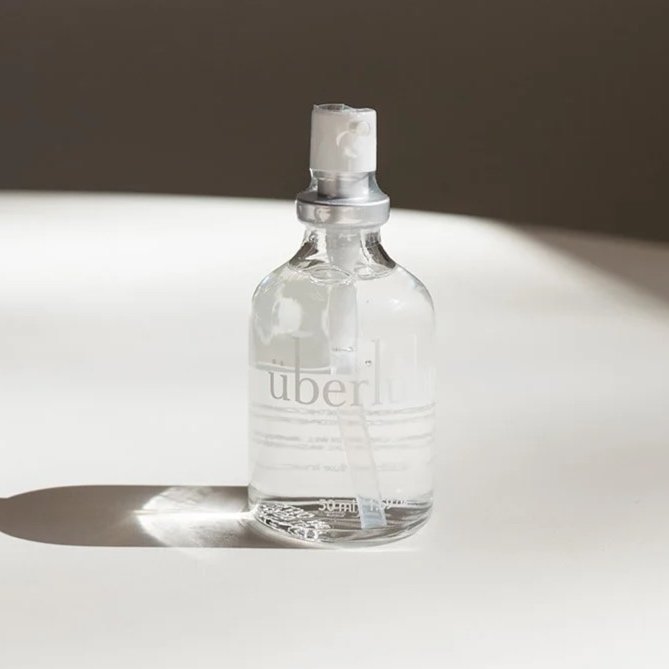
Step 2: Upgrade lubrication (yes, it matters — but it’s not the whole answer)
Use a generous amount
Reapply
Consider a longer warm-up
If dryness is hormonal, talk with your OB/GYN about options
**We LOVE UberLube and Good Clean Love!
Step 3: Work with your pelvic floor, not against it
If you suspect tension/guarding, a safer starting point is usually:
Diaphragmatic breathing
Pelvic floor “drops”/relaxation
Gentle hip mobility
Downtraining (calming the system)
If penetration hurts, Kegels are not always the answer — strengthening a muscle that’s already clenched can worsen symptoms for some people. This is exactly where an individualized assessment matters.
Step 4: Reduce threat = reduce pain
Sometimes small changes are huge:
Side-lying positions (less load)
Control depth/speed
Plenty of time
Communication + stopping early when needed
Step 5: Get assessed when pain is persistent or limiting
If painful sex is impacting your relationship, confidence, or quality of life — that’s enough reason to get help!
When pelvic floor physical therapy is the next step
Consider pelvic floor PT if you have:
Pain with penetration (tampons, exams, intercourse)
Deep pain with sex
Pain that started postpartum
Pain that persists after treating infections
Pelvic pain + urinary urgency, constipation, or tailbone/hip pain
A history of being told “everything looks normal,” but it still hurts
Medical guidelines and reviews support pelvic floor PT as a key intervention for pelvic pain and dyspareunia — especially when neuromuscular factors are involved.

What happens in pelvic floor PT for painful sex?
Every clinic is different, but here’s the general flow:
1) A conversation that actually connects the dots
We’ll ask about:
-What type of pain, where it is, and when it happens
-History (postpartum, infections, hormonal shifts, surgeries)
-Bladder/bowel symptoms
-Stress, breathing patterns, and how your body holds tension
2) A full-body assessment (not just pelvic floor)
Hips, low back, breathing, abdominal wall, posture, and movement patterns can all contribute.

3) Internal exam (optional — and always consent-based)
Internal assessment can be helpful, but it’s never required. You can still make meaningful progress without it.
4) Treatment that typically includes
Depending on your findings, treatment may include:
-Pelvic floor relaxation/downtraining
-Manual therapy (external and/or internal)
-Trigger point work
-Nervous system regulation strategies
-Dilator guidance (when appropriate)
-Mobility + strengthening for hips/core (when appropriate)
-A home plan you can actually follow
Red flags: when to talk to a medical provider first (or in addition)
Please reach out to your OB/GYN or medical provider promptly if you have:
Bleeding after sex (new or heavy)
Fever, unusual discharge, or strong odor
New pelvic mass symptoms, severe deep pain, or unexplained weight loss
Concern for STI exposure
Severe pain that’s rapidly worsening
Pelvic floor PT can be an excellent part of care, but some symptoms deserve medical evaluation first.
The bottom line
Painful sex is not a life sentence — and it’s not something you should have to “mentally power through.” If you’re searching this because you’re tired of guessing, you deserve a real assessment and a plan that addresses your body.
Ready for next steps?
Book a pelvic floor evaluation (Atlanta / Alpharetta / Denver)
Or start with a quick phone consult if you’re unsure what you need
FAQ
-
It’s common, but it’s not something you should accept as “normal.” Pain is a signal that something needs attention — and most people improve with the right plan.
-
Arousal doesn’t automatically mean the pelvic floor is relaxing well or that tissues are well-lubricated. Pain can come from muscle guarding, tissue sensitivity, dryness, or nerve irritation — even with desire present.
-
Many people with involuntary tightening/guarding benefit from pelvic floor PT as part of treatment, often alongside education and gradual exposure strategies. (Clinicians may use the umbrella diagnosis “genito-pelvic pain/penetration disorder.”)
-
Not automatically. If your pelvic floor is tight/overactive, adding more squeezing can make symptoms worse. An evaluation helps determine whether you need relaxation, coordination, strengthening — or a combination.
-
That happens a lot with sexual pain. “Normal labs/exams” doesn’t rule out pelvic floor muscle tenderness, trigger points, or nervous system sensitization — all things pelvic floor PT can address.
-
It varies based on the drivers (muscles, tissues, hormones, nerves, postpartum healing, etc.). Many people notice early wins quickly (less fear, less guarding, better comfort), then continue improving over a structured plan.