
Pelvic Floor Physical Therapy for Pelvic Pain

Pelvic pain is common—and often misunderstood. Pelvic floor physical therapy helps address the underlying contributors to pelvic pain so you can move, sit, exercise, and go about daily life with more comfort and confidence.
Is this you?
Pelvic pain can show up in different ways. You might:
Experience pain, aching, or pressure in the pelvis, tailbone, or lower abdomen
Feel discomfort with sitting, standing, or certain movements
Notice pain during or after exercise
Have symptoms that started during or after pregnancy
Feel persistent tension or tightness that doesn’t fully go away
If any of this sounds familiar, pelvic floor physical therapy may help.
Why pelvic pain happens
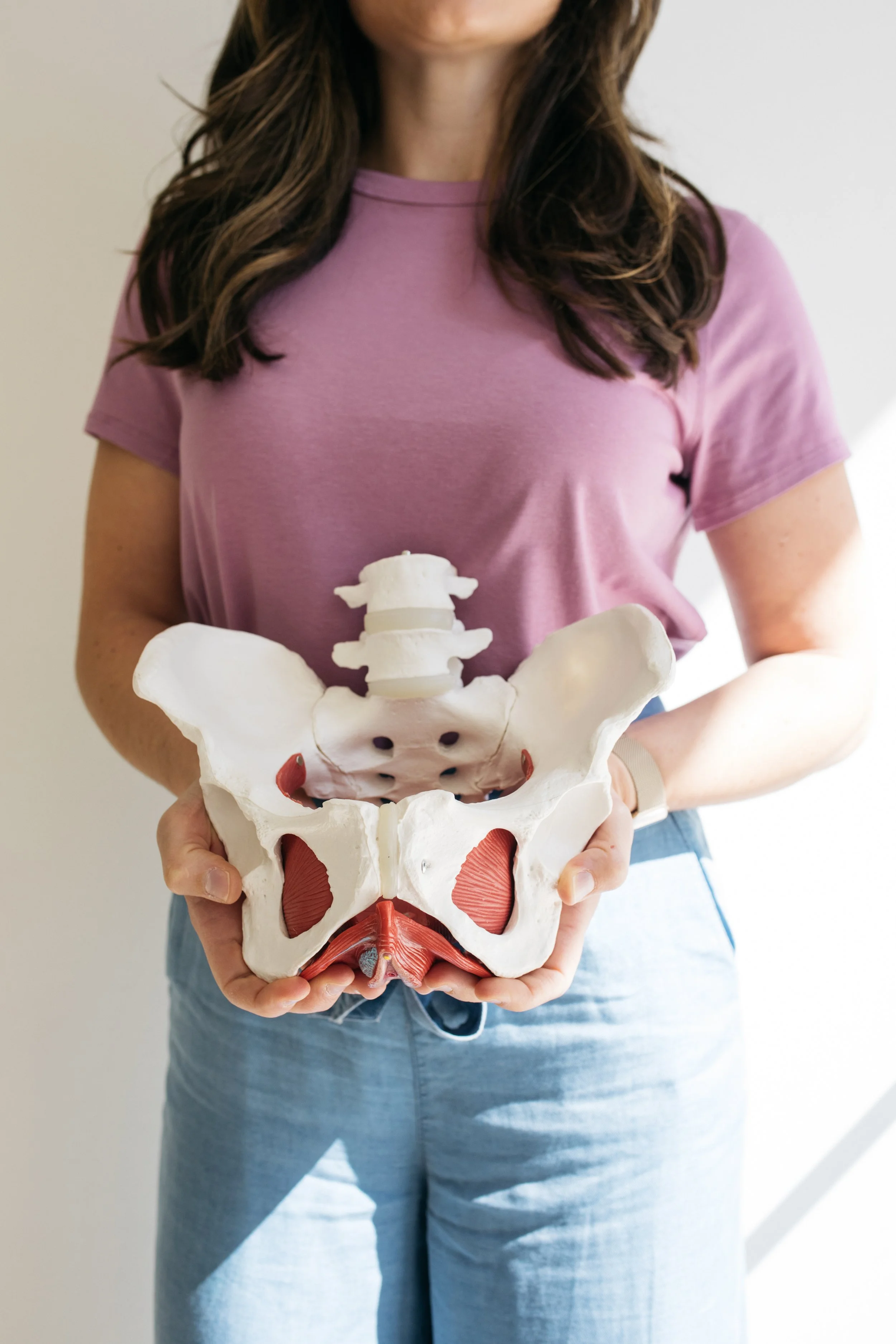
Pelvic pain is often related to how the pelvic floor muscles, core, hips, and nervous system are working together. Rather than being weak, these muscles are frequently overactive, tight, or not coordinating well with breathing and movement.
This can develop after pregnancy, childbirth, injury, surgery, periods of stress, or repetitive strain. Over time, tension and altered movement patterns can contribute to ongoing discomfort.
Pelvic floor physical therapy focuses on restoring balance, coordination, and confidence in movement—not just treating symptoms.
How pelvic floor physical therapy helps
Pelvic floor PT for pelvic pain may include:
One-on-one assessment of pelvic floor, hips, spine, and breathing
Education on posture, breathing, and nervous system regulation
Techniques to reduce muscle tension and improve coordination
Manual therapy as appropriate (always discussed first)
Gradual return to activities that may have felt limited or painful
Care is individualized and progresses at a pace that feels supportive—not overwhelming.
What care looks like at Revelle
Private, 1:1 sessions with a pelvic floor physical therapist
A calm, supportive environment where nothing is rushed
Individualized treatment plans—no cookie-cutter protocols
Manual therapy-based treatment sessions
Internal exams or treatments are never required and are only performed with your consent.
Common questions
Do I need a referral?
No. You can book pelvic floor physical therapy directly without a physician referral.
Is pelvic pain always caused by muscle tightness?
Not always. Pelvic pain is multifactorial and can involve muscles, movement patterns, and the nervous system. Your care plan is based on a thorough assessment.
How long does it take to see improvement?
Every person is different, but many patients notice changes as tension decreases and movement becomes more comfortable over the first several sessions.
Ready to take the next step?
Revelle Physical Therapy offers pelvic floor physical therapy for women at our clinics in Atlanta (including Alpharetta & Chamblee) and Denver.