

Pelvic Floor Physical Therapy for Diastasis Recti
Diastasis Recti—often called abdominal separation—is common during and after pregnancy. Pelvic floor physical therapy focuses on restoring deep core function, strength, and coordination so you can move, exercise, and feel confident in your body again.
Is this you?
Diastasis recti can show up in different ways. You might:
Notice a gap or doming along your midline
Feel core weakness or instability during movement
Experience back, hip, or pelvic discomfort
Struggle with core exercises that used to feel easy
Feel unsure how to return to workouts safely after pregnancy
If any of this sounds familiar, pelvic floor physical therapy may help.
What diastasis recti is
Diastasis recti occurs when the connective tissue between the abdominal muscles stretches, allowing the muscles to separate. While this often develops during pregnancy, it’s not just about the size of the gap—it’s about how well the core system functions.
Breathing patterns, pelvic floor coordination, posture, and movement habits all play a role in how the core supports your body.
Pelvic floor physical therapy addresses the function of the core—not just appearance. And yes—appearance improvements can be a perk, too.
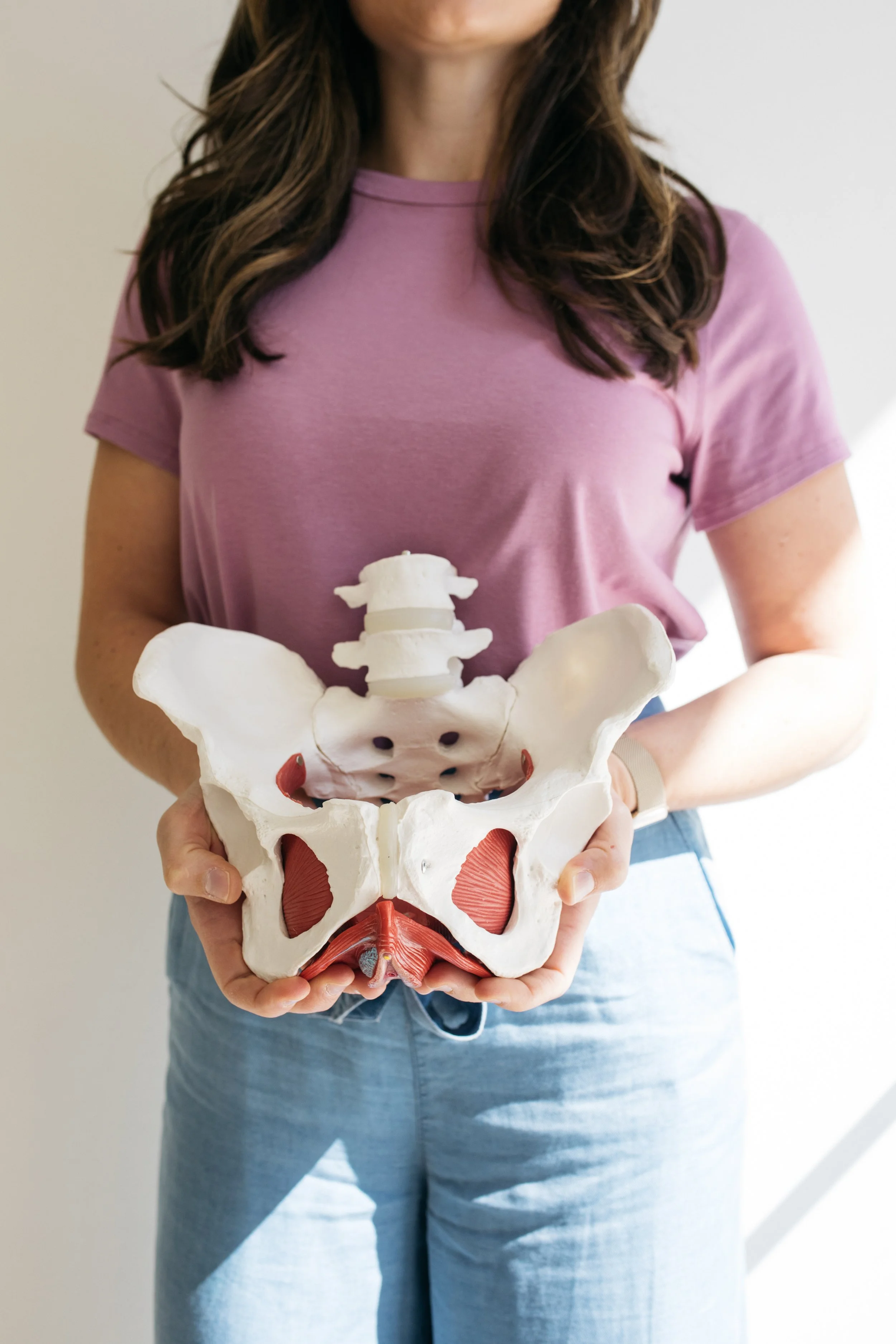
How pelvic floor physical therapy helps
Pelvic floor PT for diastasis recti may include:
One-on-one assessment of core, pelvic floor, breathing, and movement
Education on pressure management during daily activities and exercise
Progressive strengthening focused on deep core coordination
Guidance on modifying or returning to workouts safely
Strategies to reduce doming and improve confidence with movement
Care is individualized and designed to support real-life movement—not restrict it.
What care looks like at Revelle
Private, 1:1 sessions with a pelvic floor physical therapist
A calm, supportive environment where nothing is rushed
Individualized treatment plans—no cookie-cutter protocols
Manual therapy-based treatment sessions
Internal exams are never required and are only performed with your consent if relevant.
Common questions
Can diastasis recti heal on its own?
Some separation improves naturally, but many people benefit from guided rehabilitation to restore strength, coordination, and confidence.
Is it too late to treat diastasis recti?
No. Pelvic floor PT can help months or even years after pregnancy.
Do I need to avoid exercise if I have diastasis recti?
Not necessarily. PT helps you learn how to engage your core correctly so exercises are helpful rather than harmful.
Ready to take the next step?
Revelle Physical Therapy offers pelvic floor physical therapy for women at our clinics in Atlanta (including Alpharetta & Chamblee) and Denver.