

Pelvic Floor Physical Therapy for Pelvic Organ Prolapse
Pelvic organ prolapse can feel alarming—but it’s common and often very manageable. Pelvic floor physical therapy helps reduce symptoms, improve support, and restore confidence in movement and daily life.
Is this you?
Prolapse symptoms can vary in how they feel and when they show up. You might:
Feel heaviness, pressure, or a “falling” sensation in the pelvis
Notice symptoms worsen by the end of the day or with activity
Feel discomfort with standing, lifting, or exercise
Experience symptoms that started during or after pregnancy
Feel anxious or limited in what activities feel safe to do
If any of this sounds familiar, pelvic floor physical therapy may help.
What pelvic organ prolapse is
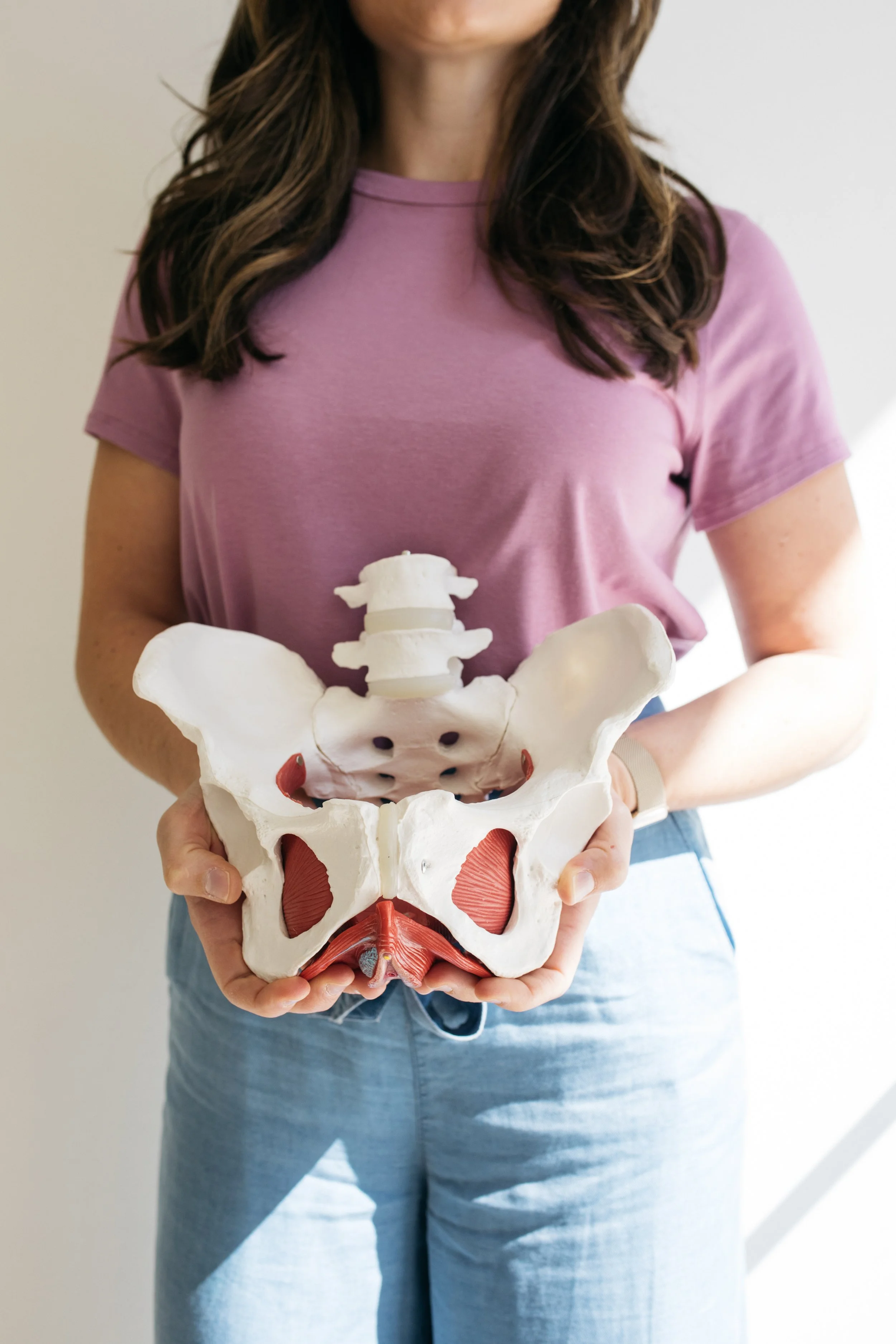
Pelvic organ prolapse occurs when the muscles and connective tissues that support the pelvic organs aren’t providing enough support, allowing one or more organs to shift downward.
Prolapse exists on a spectrum, and having prolapse does not automatically mean surgery or stopping activity. Symptoms are influenced not only by support, but also by muscle coordination, breathing, posture, and how pressure is managed during movement.
Pelvic floor physical therapy focuses on improving how the system works together—not just the grade of prolapse.
How pelvic floor physical therapy helps
Pelvic floor PT for prolapse may include:
One-on-one assessment of the pelvic floor, core, breathing, & movement patterns
Education on pressure management for lifting, exercise, and daily tasks
Strengthening or coordination work based on your specific needs
Strategies to reduce heaviness and improve confidence with activity
Guidance for safely returning to exercise, impact, or strength training
Care is individualized and focused on helping you stay active—not limiting you unnecessarily.
What care looks like at Revelle
Private, 1:1 sessions with a pelvic floor physical therapist
A calm, supportive environment where nothing is rushed
Individualized treatment plans—no cookie-cutter protocols
Manual therapy-based treatment sessions
Internal exams or treatments are never required and are only performed with your consent.
Common questions
Does prolapse always require surgery?
No. Many people successfully manage prolapse symptoms with pelvic floor physical therapy and lifestyle strategies.
Can I still exercise if I have prolapse?
Often, yes. Pelvic floor PT helps you learn how to move, lift, and exercise in ways that support your body and reduce symptoms.
Will PT make prolapse go away?
PT focuses on improving symptoms, support, and function. While anatomy doesn’t always “reverse,” many people feel significantly better and more confident with the right care.
Ready to take the next step?
Revelle Physical Therapy offers pelvic floor physical therapy for women at our clinics in Atlanta (including Alpharetta & Chamblee) and Denver.